
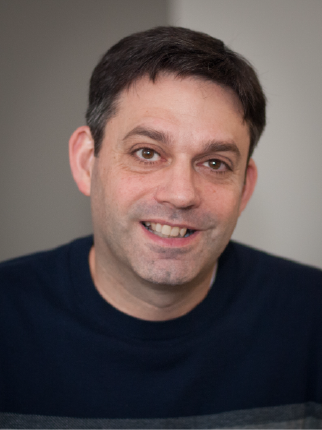
An international research team that includes Harvard Medical School professors Steve Liberles and Isaac Chiu has received up to $25 million from the Cancer Grand Challenges, a program co-founded by Cancer Research UK and the National Cancer Institute. The funding supports Team InteroCANCEption, an international collaboration studying how the nervous system interacts with cancer. The team aims to uncover how signals between neurons, the immune system, and tumors influence cancer development, treatment resistance, and symptoms, with the long-term goal of harnessing the body’s own neural and immune pathways to better fight cancer.
Steve focuses on the role of sensory neurons in the vagus nerve, a key communication pathway between the body and brain. His lab studies the molecular identities and functions of these neurons and how they detect physiological signals such as infection, oxygen levels, and digestive states. By applying this expertise to cancer neuroscience, Liberles and colleagues hope to understand how neural signaling might influence tumor growth, immune responses to cancer, and cancer symptoms. Their work could ultimately reveal new therapeutic strategies, such as targeted drugs or neuroprosthetic devices, that alter neural pathways to slow cancer progression, enhance the body’s anti-tumor defenses, or reduce cancer symptoms.